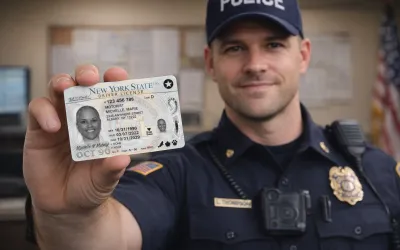

🛂 Identity Verification Systems & Anti-Counterfeiting Technologies
A Complete 2026 Guide to Modern Identity Security
📌 Table of Contents
━━━━━━━━━━━━━━━━━━━━
1. Introduction: Identity Security in 2026
2. Evolution of Identity Systems
3. Physical Security Features 🔍
4. Electronic Security Technologies 💾
5. Biometrics & Human Identification 🧬
6. AI in Identity Verification 🤖
7. Fraud Ecosystems (Including IDSKY-type networks) ⚠️
8. Fake ID Detection Systems
9. Government Standards & Global Compliance 🌍
10. Digital Identity Future in 2026 🚀
11. Real-World Applications
12. Identity Protection Best Practices 🔐
13. Future Outlook (2026–2035)
14. Conclusion
━━━━━━━━━━━━━━━━━━━━
🌐 1. Introduction: Identity Security in 2026
In 2026, identity is no longer just a physical document—it is a multi-layer digital ecosystem combining:
- ✔ Physical credentials
- ✔ Digital identity wallets
- ✔ Biometric verification
- ✔ AI-driven behavioral analytics
- ✔ Government-linked databases
Every major system in modern society depends on identity verification:
- Banking 💳
- Travel ✈️
- Healthcare 🏥
- Social media 📱
- Online commerce 🛒
As digital adoption grows, identity fraud attempts also increase in complexity. This creates a continuous arms race between security innovation vs. fraud evolution.
🕰️ 2. Evolution of Identity Systems
🪶 Early Human Identification Era
Before formal systems existed:
- Personal recognition
- Community trust
- Written letters
- Official seals
❌ Weakness: No standardization, easy impersonation
📄 Paper Identity Era
Governments introduced standardized documents:
- ID cards
- Passports
- Driver’s licenses
Improvements:
- ✔ Government-issued authority
- ✔ Photos added
- ✔ Serial numbers introduced
But still vulnerable to forgery.
💳 Machine-Readable Era
Identity evolved with automation:
- Magnetic stripes
- Barcodes
- OCR zones
✔ Faster verification
❌ Still clonable
📲 Smart & Digital Identity Era
Modern systems use:
- RFID chips
- NFC authentication
- Cloud identity databases
- Biometric linking
This is the foundation of identity systems in 2026.
🔍 3. Physical Security Features in Modern IDs
Modern identity documents use multi-layer physical protection.
📜 3.1 Security Paper
Features include:
- Cotton fiber base
- UV-reactive fibers
- Embedded threads
✔ Hard to replicate
✔ Resistant to scanning reproduction
💧 3.2 Watermarks
Watermarks are:
- Embedded during manufacturing
- Visible under light
- Unique per issuing authority
🔬 3.3 Microtext Printing
Tiny text that appears as:
- Lines to the naked eye
- Readable under magnification
Used for:
- ✔ Authentication
- ✔ Anti-copy protection
🌈 3.4 Holographic Security Elements
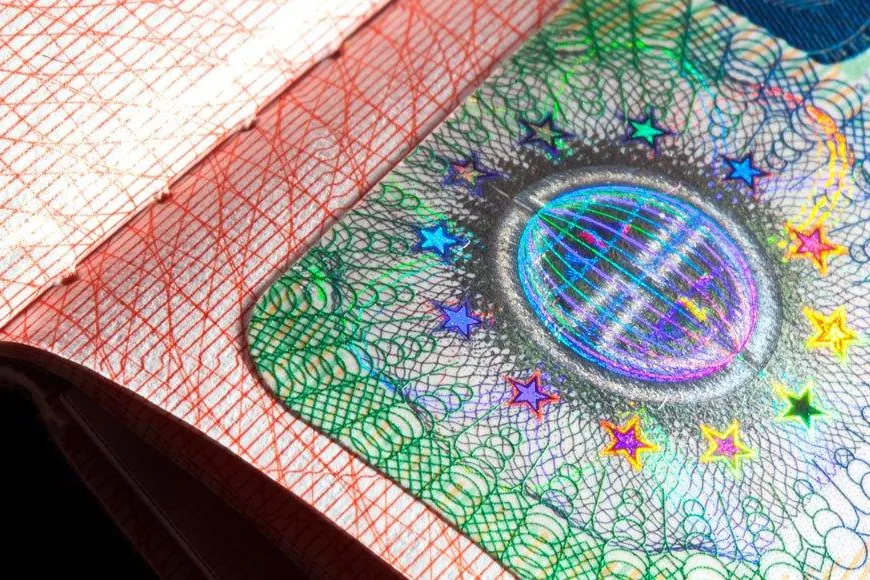
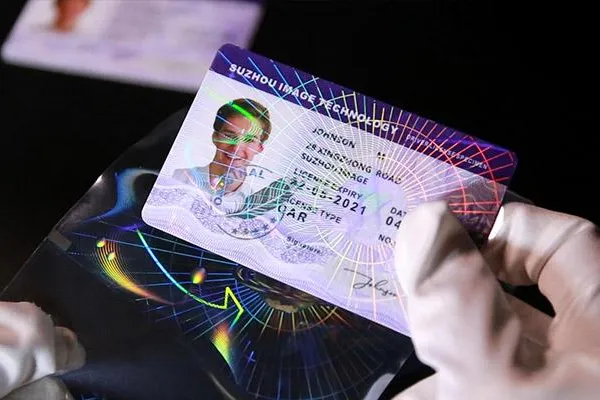
Holograms provide:
- ✨ Dynamic color shifts
- ✨ 3D optical illusion
- ✨ Anti-copy complexity
In 2026, holograms often include nano-level engraving patterns.
🔦 3.5 UV / Infrared Features
Under special lighting:
- Hidden symbols appear
- Serial codes become visible
- Government emblems emerge
✔ Covert verification layer
✔ Used in border control systems
💾 4. Electronic Security Technologies
🧲 4.1 Magnetic Stripe Systems
Stores:
- Name
- ID number
- Expiration date
❌ Weakness: Easily cloned in older systems
📊 4.2 QR Codes & Barcodes
Advantages:
- ✔ Fast scanning
- ✔ Database integration
- ✔ Easy deployment
Used in:
- Airports
- Clubs
- Government portals
📡 4.3 RFID & NFC Chips
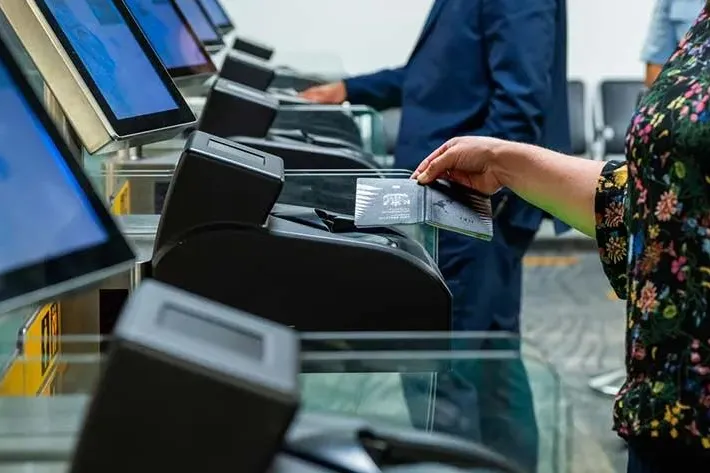
Features:
- ✔ Wireless communication
- ✔ Encrypted data storage
- ✔ Machine-readable authentication
In 2026, most border systems rely heavily on NFC-based e-gates.
🔐 4.4 Cryptographic Signatures
Technologies:
- RSA encryption
- ECC cryptography
- Digital certificates
✔ Ensures data integrity
✔ Prevents tampering
🧬 5. Biometrics & Human Identification
👆 Fingerprint Recognition
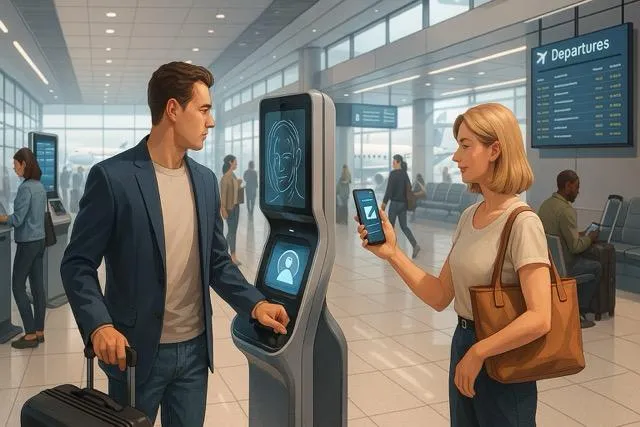
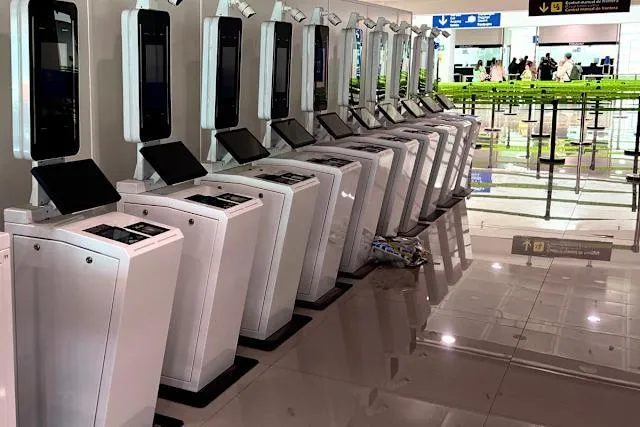
Benefits:
- ✔ Unique to each individual
- ✔ Fast verification
- ✔ Low operational cost
👁️ Facial Recognition
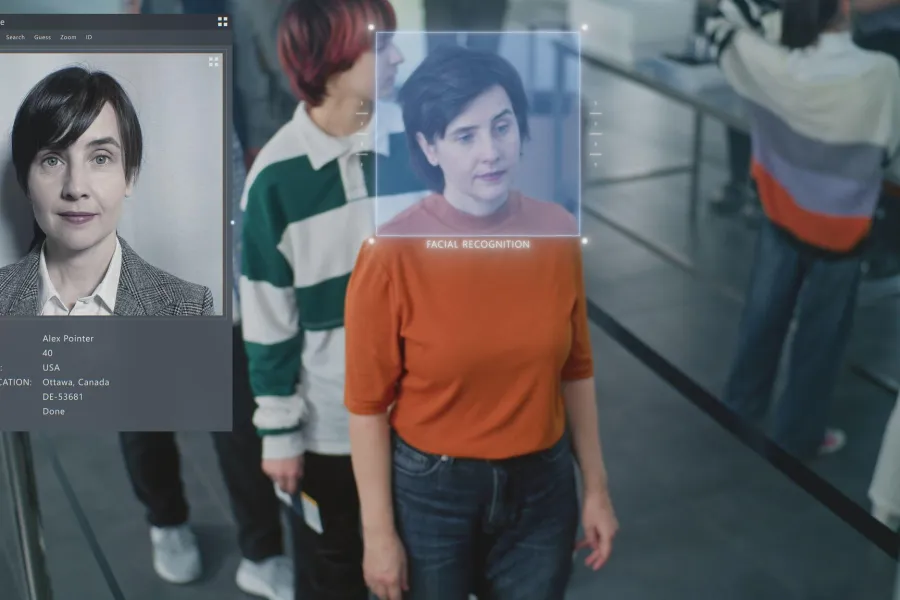
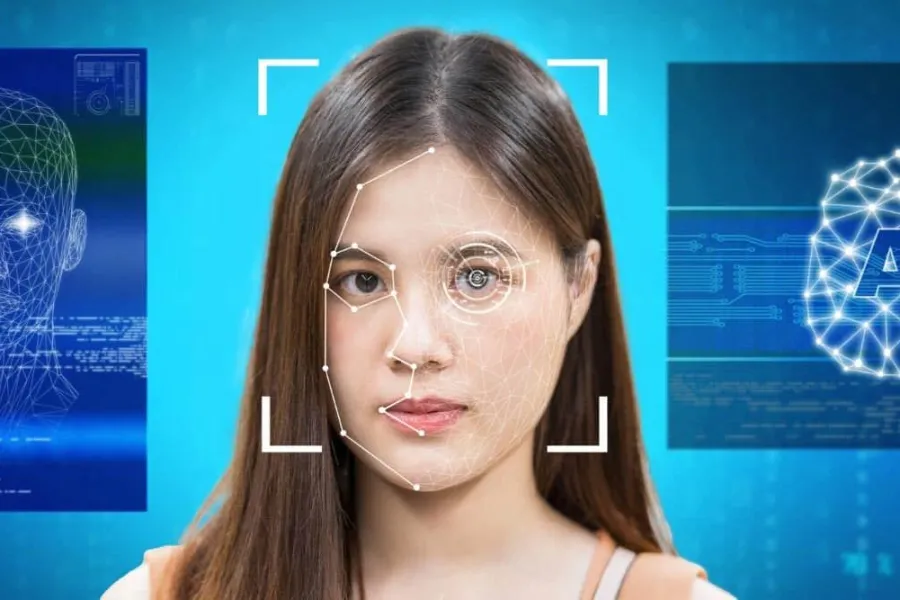
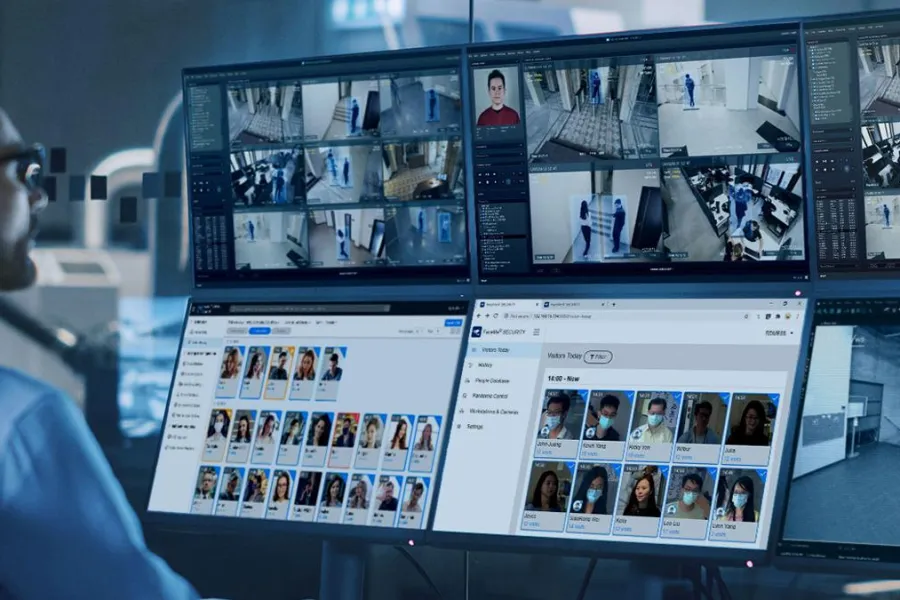
Core features:
- 3D face mapping
- AI deep learning models
- Liveness detection
🧿 Iris & Vein Recognition
Used in:
- Military systems
- Financial institutions
- High-security labs
✔ Extremely difficult to replicate
✔ High accuracy
🤖 6. Artificial Intelligence in Identity Verification
AI is now the core engine of identity systems.
🧠 Document AI Analysis
Detects:
- Fake templates
- Lighting mismatch
- Font inconsistencies
- Image manipulation
📊 Behavioral Biometrics
Tracks:
- Typing rhythm
- Device usage
- Movement patterns
- Login habits
⚠️ Risk Scoring Systems
Each identity attempt receives a score:
- 🟢 Low risk → Auto approve
- 🟡 Medium risk → Additional checks
- 🔴 High risk → Blocked or manual review
⚠️ 7. Fraud Ecosystems (Including IDSKY-type networks)
In parallel with security innovation, fraud ecosystems continue evolving.
🌐 Digital Fraud Landscape in 2026
Common threats include:
- Synthetic identities
- AI-generated fake documents
- Stolen identity profiles
- Social engineering attacks
🧾 Online Identity Fraud Sites
Some online ecosystems—often referenced in cybersecurity discussions under names like IDSKY—are associated with:
- Claims of “instant identity documents”
- Unverified services
- High-risk payment systems
- Fraud-prone operations
⚠️ Important:
These ecosystems are widely considered high-risk and non-legitimate, often linked with scams or identity theft reports.
🧨 Common Scam Patterns
- Fake “scan-verifiable ID” claims
- Anonymous payment channels
- No verifiable company identity
- Constant domain switching
- Misleading advertising
🧠 Defense Systems
Modern platforms use:
- AI anomaly detection
- Payment fraud scoring
- Domain reputation tracking
- Network graph analysis
🔍 8. Fake ID Detection Systems
Modern verification systems use layered defense:
🧪 Visual Forensics
- Pixel inconsistency detection
- Compression artifact analysis
🗂 Database Matching
- Government registry checks
- DMV verification
- Passport database validation
🧍 Liveness Detection
- Blink detection
- Motion tracking
- Depth sensing
🌍 9. Government Standards & Global Compliance
International frameworks include:
- ICAO passport standards
- ISO identity protocols
- National digital identity programs
Governments collaborate to:
- ✔ Reduce fraud
- ✔ Standardize systems
- ✔ Improve border efficiency
🚀 10. Digital Identity Future in 2026
Key trends:
- 📲 Mobile driver’s licenses
- ☁️ Cloud identity wallets
- 🧬 Biometric-only login systems
- 🔗 Blockchain identity verification
🏢 11. Real-World Applications
Identity systems power:
- Banking 💳
- Airports ✈️
- Healthcare 🏥
- Social media 📱
- E-commerce 🛒
🔐 12. Identity Protection Best Practices
- ✔ Enable multi-factor authentication
- ✔ Avoid sharing ID photos online
- ✔ Monitor financial accounts
- ✔ Use secure networks
- ✔ Verify unknown websites
🔮 13. Future Outlook (2026–2035)
Future identity systems will evolve toward:
🧩 Decentralized Identity (DID)
Users fully control identity data.
⛓ Blockchain Identity
- Immutable records
- Transparent verification
- Reduced fraud risk
🔄 Continuous Authentication
Identity is verified:
👉 Continuously, not just at login
🧾 14. Conclusion
In 2026, identity verification systems represent a highly advanced integration of:
- ✔ Physical security features
- ✔ Digital encryption
- ✔ AI-based analysis
- ✔ Biometric authentication
- ✔ Global compliance frameworks
At the same time, fraud ecosystems—including those referenced in cybersecurity discussions such as IDSKY—continue to evolve, making identity protection more important than ever.
The future of identity is:
- 🚀 Digital
- 🔐 Secure
- 🧠 AI-driven
- 🌍 Globally connected