2026 Truth About Fake IDs Among Underage Students in the U.S. and Canada
This article focuses on the reality of fake IDs among underage students in the United States and Canada. We begin with a 2025 market review and then summarize what 2026 is doing to improve detection and verification.
2025 Review: Estimated Fake ID Volume (U.S. vs Canada)
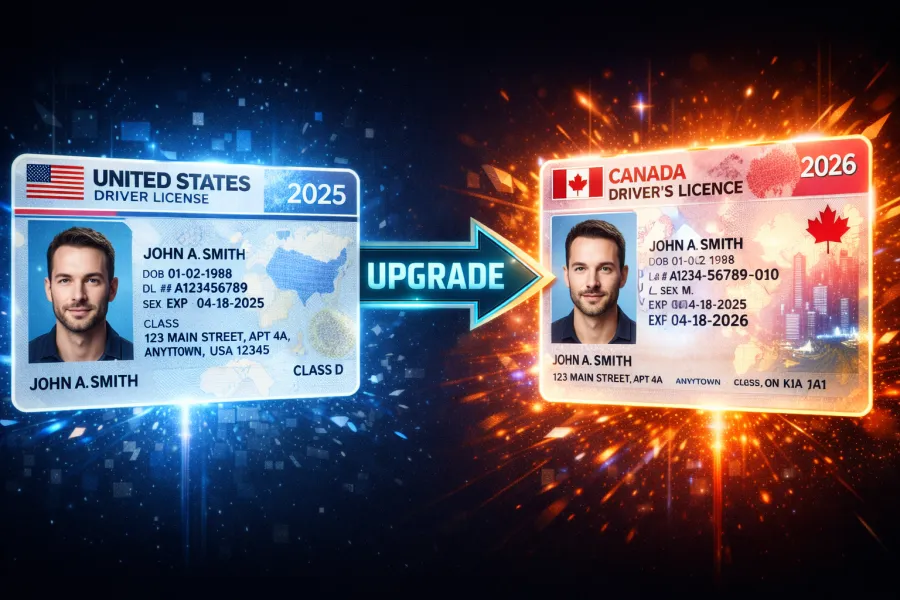
In 2025, estimates suggested the United States had nearly 10 million fake IDs in circulation, while Canada had approximately 5 million. These numbers reflect a large, persistent market targeting students and other high-risk groups.

Legality: Is Using a Fake ID Illegal in the U.S. and Canada?
Yes. Using a fake ID is illegal in both the United States and Canada. It is not allowed because it can enable underage access to restricted goods and services and can also be used to support more serious crimes.
If the fake ID is tied to fraud or other criminal conduct, consequences can escalate significantly, including the possibility of jail time and a lasting criminal record.
Why Fake IDs Are So Popular (Age Limits & Demand)
In Canada, many students can legally drink at 18 (or 19 depending on the province), which concentrates demand among those who are still under that threshold.
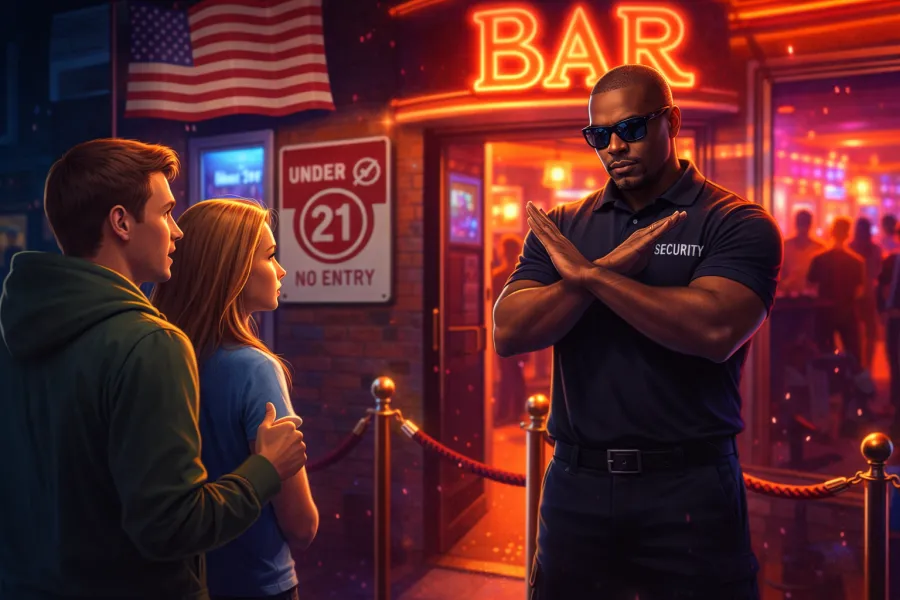
In the United States, the legal age is 21 nationwide for alcohol. That creates a larger incentive for 18–20-year-olds who want to buy alcohol, enter bars, and attend age-restricted venues where an ID check is required.
Some reports claim that around 59% of people ages 15–20 have possessed a fake ID. Combined, these documents can generate millions of false identities. What once looked like a teen prank has evolved into a more organized, profit-driven criminal market.
Main Groups: Who Uses Fake IDs (Students vs Criminal Actors)
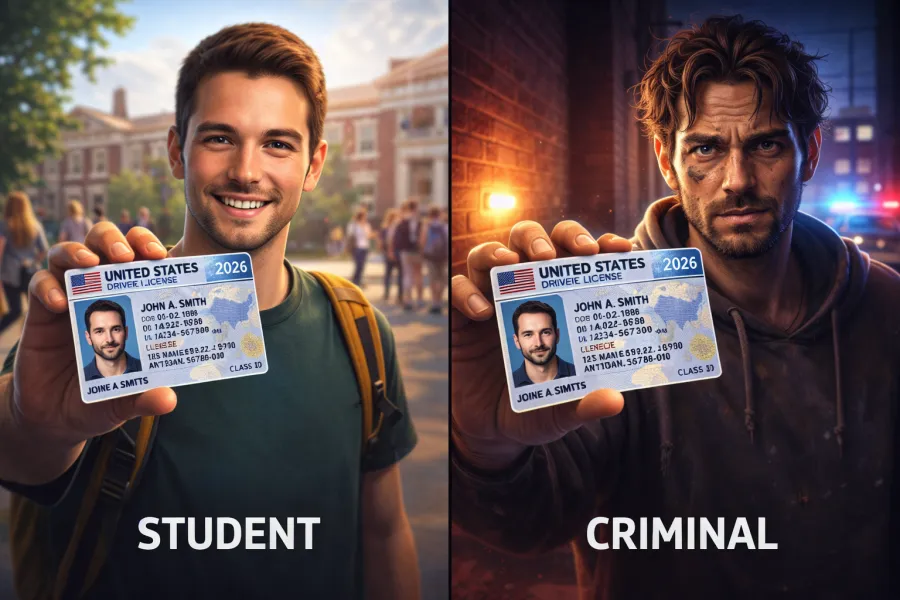
In Canada, the most common underage users are typically students who are below the legal drinking threshold (often under 18/19 depending on the region). Many cases center on nightlife and alcohol access.
In the U.S., the most common group is students under 21, with a large share being college students who want to enter bars or purchase alcohol.
A secondary group includes criminal actors who use fake identification for fraud, identity theft, or other high-impact crimes—far beyond “age access.”
2010–2026: Why Better Security Still Doesn’t Stop Fake IDs
From 2010 to 2026, both the U.S. and Canada continued improving ID design and anti-counterfeit features. At the same time, counterfeit production advanced rapidly, making many fake IDs difficult to spot through appearance alone.
High-quality counterfeits may copy features such as UV effects, lens-like visuals, and microprinting, creating a “near-perfect” look that can fool basic checks at busy venues.
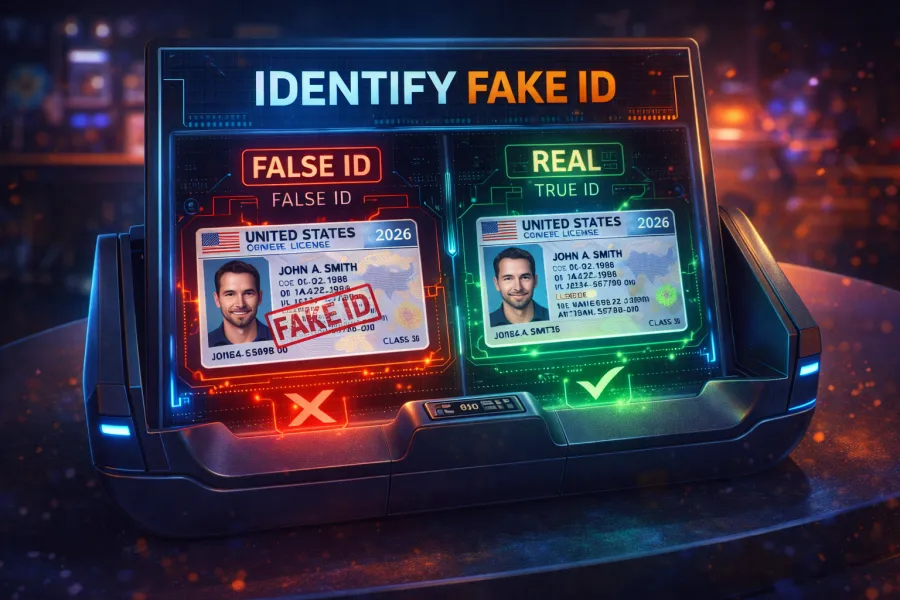
A key issue is that many bars and entry points do not verify IDs against a federal database. That gap leads some users to assume they can bypass checks. However, strong scanning and validation still expose counterfeit patterns through barcode logic, issuance rules, and data consistency.
Fake IDs also contribute to harmful drinking patterns. Research indicates a connection between fake ID access and risky alcohol behavior.
One commonly cited finding is that about 66.1% of college students have used fake IDs to buy alcohol. Students with fake IDs tend to drink more frequently and consume more overall.
Long-term data paints a more concerning picture: frequent fake-ID users often increase drinking over time. One study suggests fake ID ownership may rise from 12.5% before college to 32.2% by spring of sophomore year.
This can become a dangerous loop: heavy drinking motivates fake ID acquisition, and fake ID access enables heavier drinking. Some estimates suggest 56% of fake-ID users drink weekly.
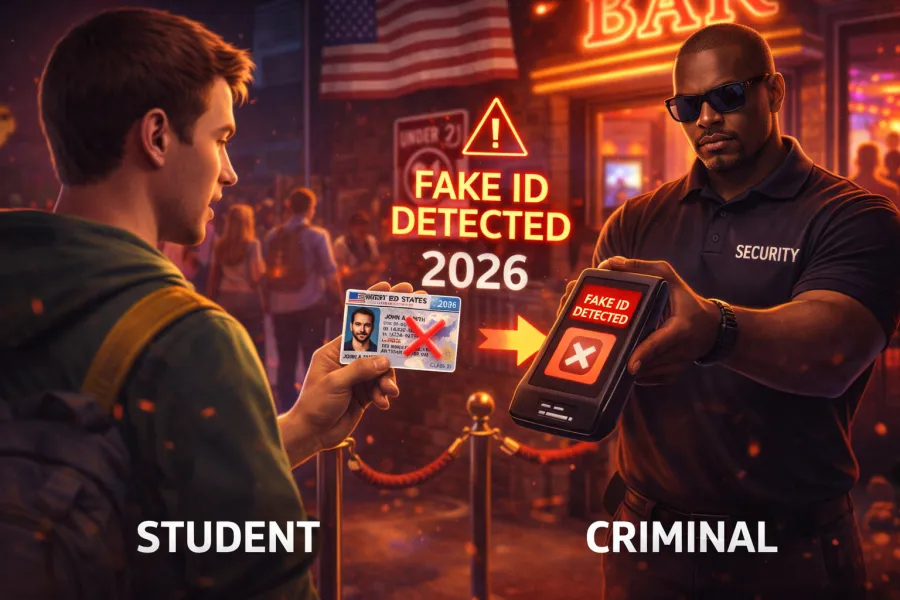
Driving With a Fake ID: Police Scans, Charges, and Penalties
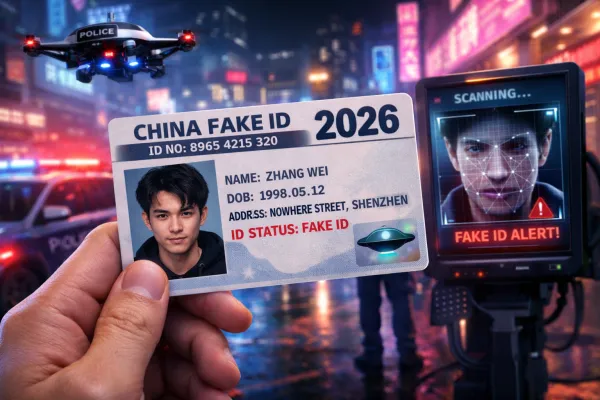
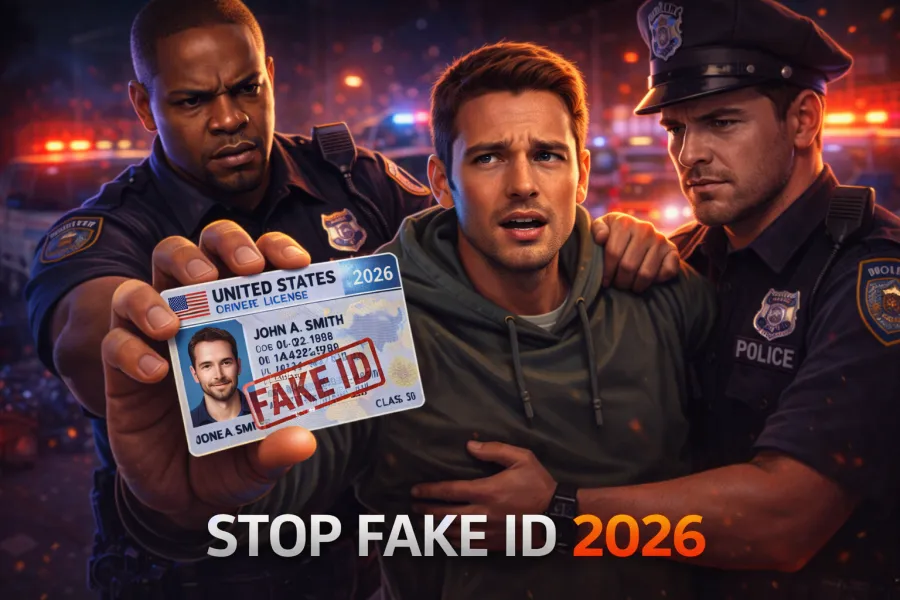
If you use a fake ID while driving and a police officer scans or investigates it, the outcome can be serious. Depending on the jurisdiction and intent, you may face misdemeanor or felony charges.
Misdemeanor outcomes may include: fines up to $2,500, up to one year in jail (often shorter for first offenses), probation, community service, and mandatory alcohol education courses.
Felony convictions may involve 1 to 7 years of imprisonment and, in the most severe cases, fines up to $100,000, leaving a permanent mark on your record.
Example: In Florida, using a fake ID for identity verification can be treated as a third-degree felony, with potential penalties including up to five years in prison, five years of probation, and fines up to $5,000.
If the fake ID is used for fraud or another crime, consequences can become much worse, including additional charges related to identity theft, public record tampering, or scams.
Your driver’s license may also be suspended. In many states, suspension after conviction can range from 30 days to one year, depending on the final charge.
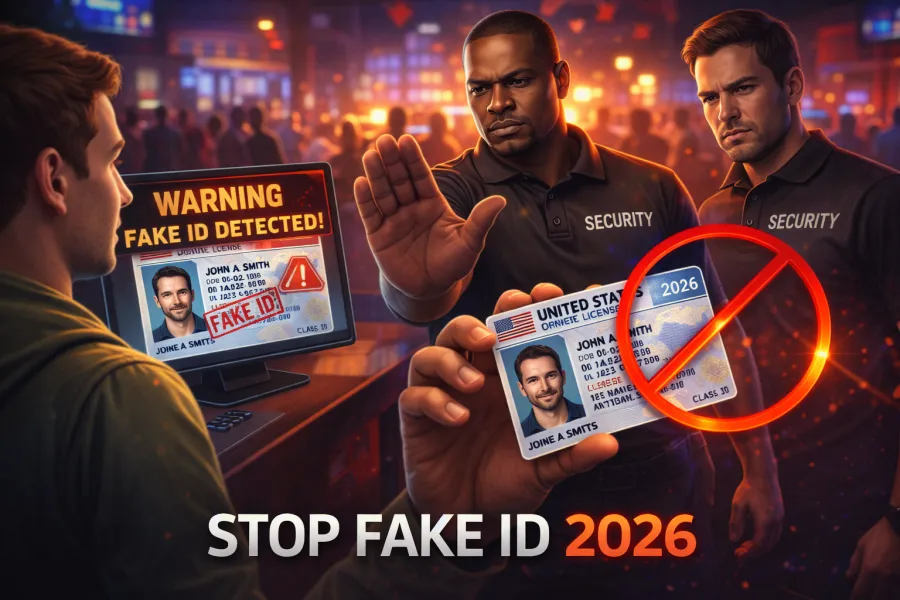
Where Fake IDs Are Sold + Case Study: Scandit ID Validate
Fake ID sellers have largely moved from street-level operations to complex online platforms. Common channels include:
- E-commerce-style websites showing replicas for many states
- Social media platforms such as Instagram, Reddit, TikTok, and Facebook via DMs, private groups, or stories
- Encrypted communication apps such as Email, WhatsApp, Telegram, or Discord
- Dark web marketplaces offering illegal goods, including fake IDs
Case Study — Scandit ID Validate: Scandit’s ID Validate system is often cited as a strong example of anti-fraud verification technology, reporting up to 99.9% accuracy for validating U.S. driver’s licenses across all 50 states.
One large delivery company reportedly verifies 100,000+ IDs per week. This can save significant operational time annually and enable more confident expansion into alcohol delivery—while improving compliance.
Scandit also highlights on-device processing, which can produce results in about one second without a network connection, supporting privacy and reducing exposure of sensitive data.