Movie Case Study: Superbad and the Real Risks of Fake IDs
Introduction: A Comedy That Reveals a Serious Reality
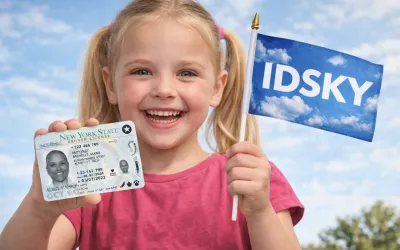
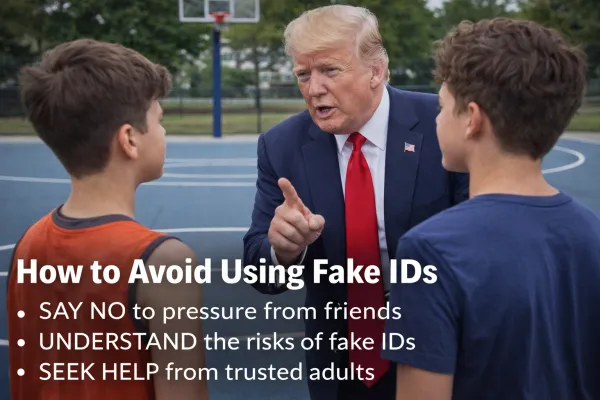
Superbad is widely known as a teenage comedy, but its core storyline highlights a serious and often misunderstood issue: the illegal use of Fake IDs by underage individuals. While the film presents these moments with humor, the behavior itself carries real-world legal, academic, and personal consequences.
This article retells the full narrative of Superbad using descriptive text only, while clearly explaining why Fake ID use is a harmful and risky decision—especially in the context of modern identity verification systems in 2026.
The Emotional Background: Fear of Growing Up
The story is set during the final days of high school. Graduation is approaching, and the characters are struggling with anxiety about the future. They fear losing friendships, being left behind, and not fitting into adult social life.
Alcohol becomes a symbol of adulthood in their minds. It represents freedom, confidence, and acceptance. However, the law is clear: individuals under the age of 21 are not permitted to purchase or consume alcohol.
Instead of accepting this boundary, the characters look for a shortcut.
The Fake ID Appears: A Poor Decision Framed as a Joke
This moment reflects a common real-world misconception: that ID checks are casual and easy to bypass. In reality, this assumption is the foundation of many legal problems involving Fake IDs.
What appears funny on screen represents a serious lapse in judgment off screen.
The Convenience Store Scene: False Confidence
The characters attempt to purchase alcohol at a convenience store using the Fake ID. The transaction appears successful, reinforcing their belief that the risk was minimal.
This moment is critical. A single undetected violation often creates false confidence, leading individuals to repeat or escalate illegal behavior. In real life, this is where consequences begin to compound.
Just because something works once does not mean it is safe, legal, or invisible.
Escalation and Loss of Control
As the night progresses and alcohol becomes involved, the situation rapidly deteriorates. Judgment declines, behavior becomes erratic, and attention is drawn from others.
The Fake ID, once viewed as a tool, becomes a liability. The characters lose control of the situation, and what began as a simple plan turns into chaos.
This mirrors real-world patterns in which underage drinking incidents lead to police involvement, injuries, or academic discipline.
Police Involvement: When the Tone Changes
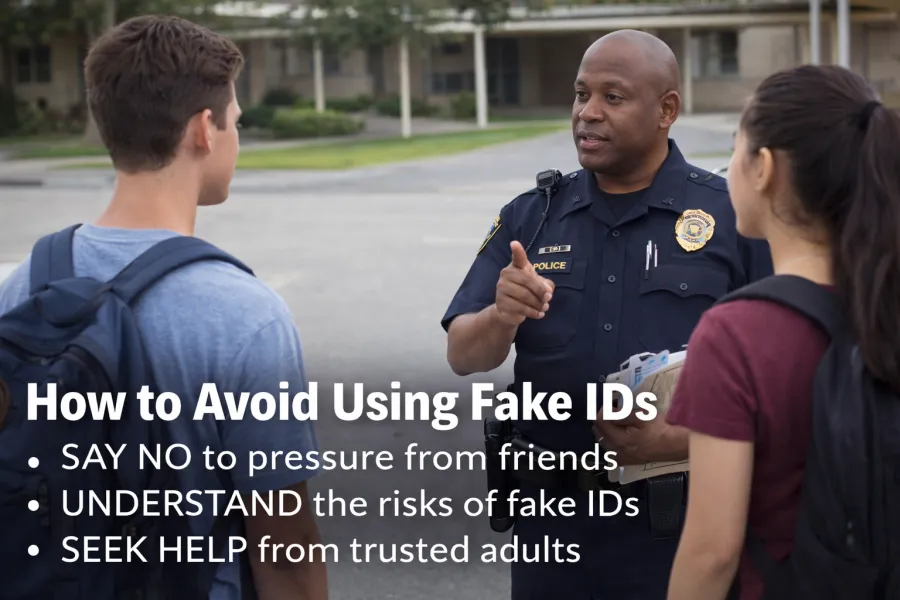
When law enforcement enters the story, the humor fades. The characters are no longer dealing with a store clerk but with authorities who are trained to assess risk, verify identity, and enforce the law.
At this point, a Fake ID is no longer a joke or a prop. It becomes evidence.
In real life, police encounters involving Fake IDs may result in confiscation, official records, parental notification, and further investigation.
Psychological Breakdown Under Pressure
Once questioned, the characters’ confidence collapses. Panic replaces bravado. They realize they no longer control the situation or the outcome.
This is a crucial lesson: the moment a Fake ID is detected, all decision-making power shifts to authorities. The individual using it loses the ability to manage the consequences.
Chain Reactions: One Choice, Multiple Consequences
The film portrays escalating chaos for comedic effect. In reality, consequences often unfold quietly and permanently.
Potential real-world outcomes of Fake ID use include:
- Criminal or civil penalties
- School or university disciplinary action
- Permanent notes in background checks
- Employment and internship complications
- Visa, travel, or immigration issues
These effects may appear months or years later, long after the original incident.
Why This Would Fail in 2026
If the events of Superbad took place in 2026, nearly every Fake ID attempt would likely fail.
Modern identity verification systems include:
- Real-time barcode validation
- Database cross-checking
- Automated age verification tools
- Mandatory compliance systems for retailers
- Increased penalties for businesses that fail to verify IDs
What seemed possible in a 2007 film is no longer realistic in today’s enforcement environment.
Movies Can Reset Stories. Real Life Cannot.
The film ends with humor and personal growth. That resolution exists because movies are designed to entertain.
Real life does not reset records, erase reports, or excuse illegal behavior because intentions were immature or misguided.
This distinction is critical for young audiences to understand.
Final Message to Students and Teens
Using a Fake ID is not a harmless mistake. It is not a shortcut to adulthood. It is not protected by humor or intention.
In 2026, Fake IDs are easier to detect than ever, and the consequences are more permanent than many young people realize.
Growing up means learning to respect boundaries, not trying to bypass them.
Compliance Statement
This article is intended solely for educational, analytical, and risk-awareness purposes. It does not promote, encourage, or instruct the creation or use of Fake IDs. All individuals are responsible for following applicable local, state, and federal laws.